
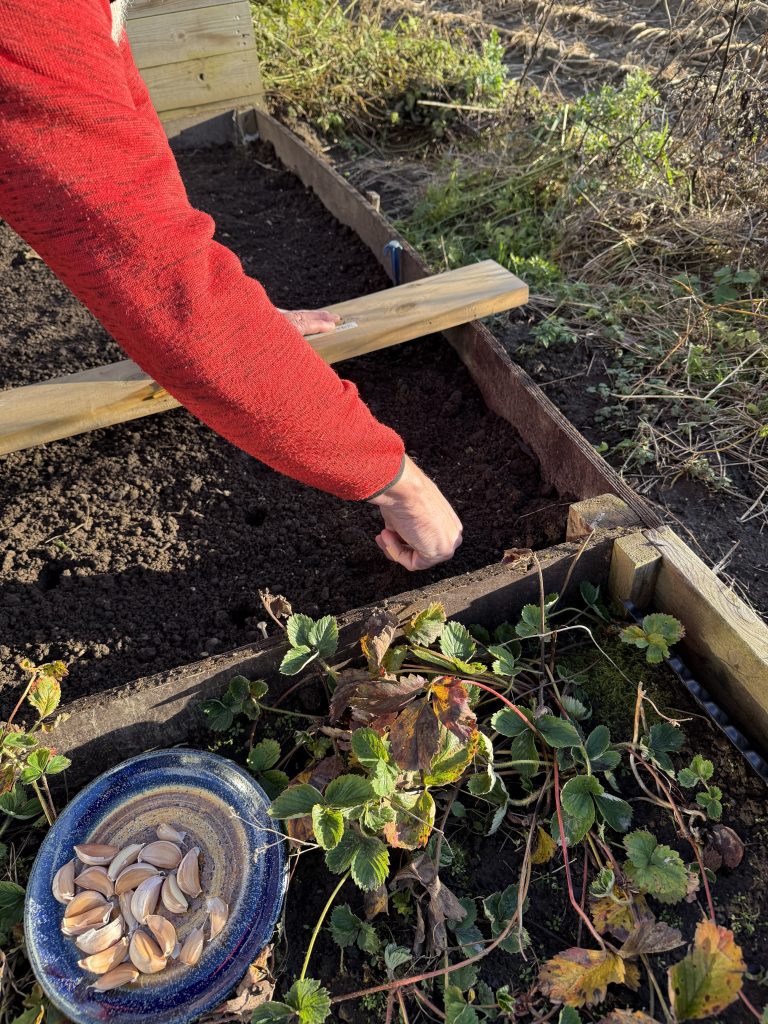
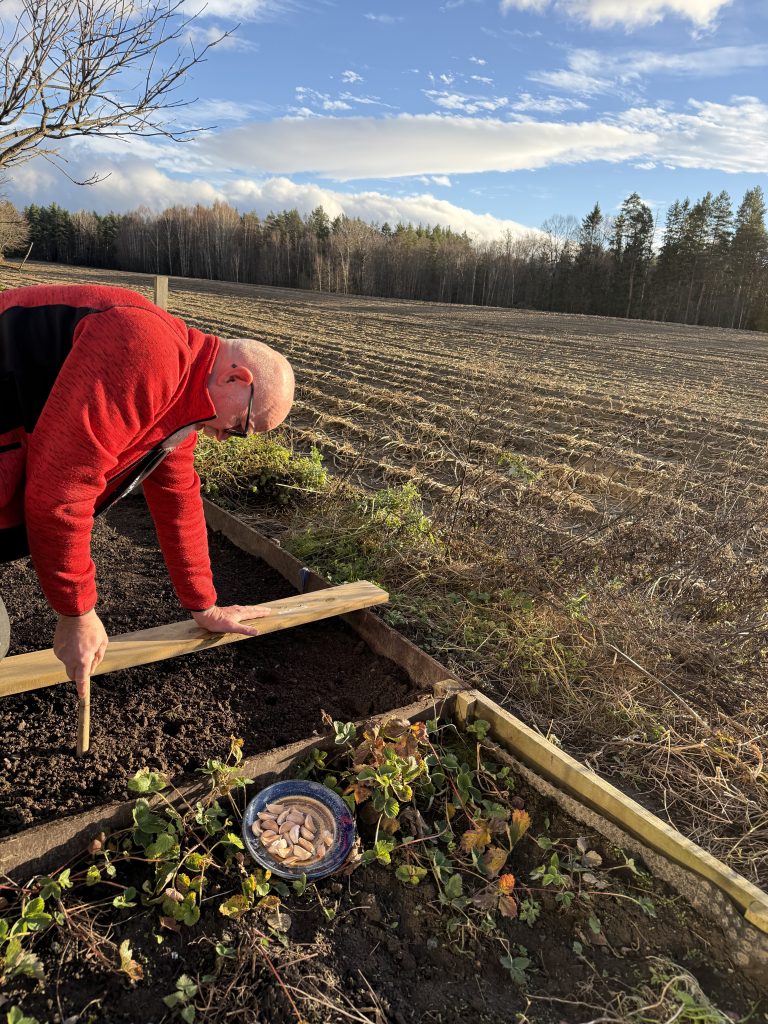
The pictures above looks/ sounds like a wonderfully efficient gardening system I have! Getting my loving husband to handle the planting is certainly the easiest method.
Continue reading “Planting Garlic and Onion”The pictures above looks/ sounds like a wonderfully efficient gardening system I have! Getting my loving husband to handle the planting is certainly the easiest method.
Continue reading “Planting Garlic and Onion”Rømmegrøt: Norway’s Creamy, Comforting Culinary Classic
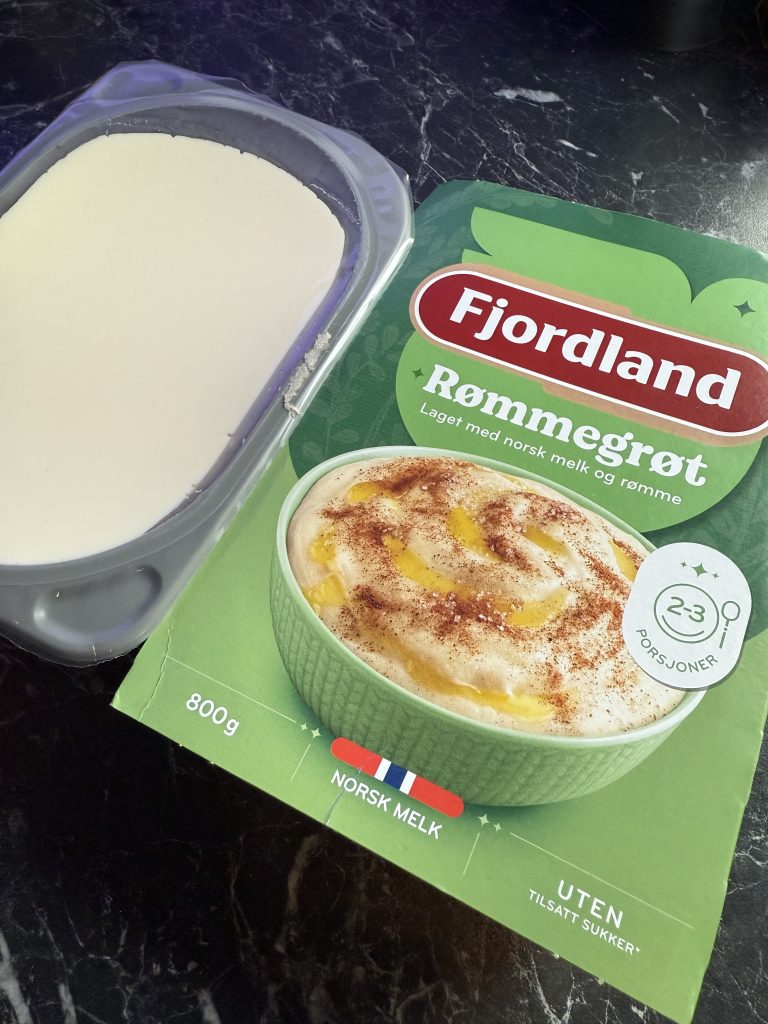
Few dishes encapsulate the soul of Norwegian culinary tradition quite like Rømmegrøt (pronounced approximately rø-mmeh-grøt). More than just a porridge, this rich, velvety dish is a cultural emblem, traditionally reserved for the most festive and significant occasions, and a taste of history in a bowl.
If you are craving it before Christmas, you are in good company—it is a cherished part of the holiday season, embodying warmth and celebration.
What is Rømmegrøt?
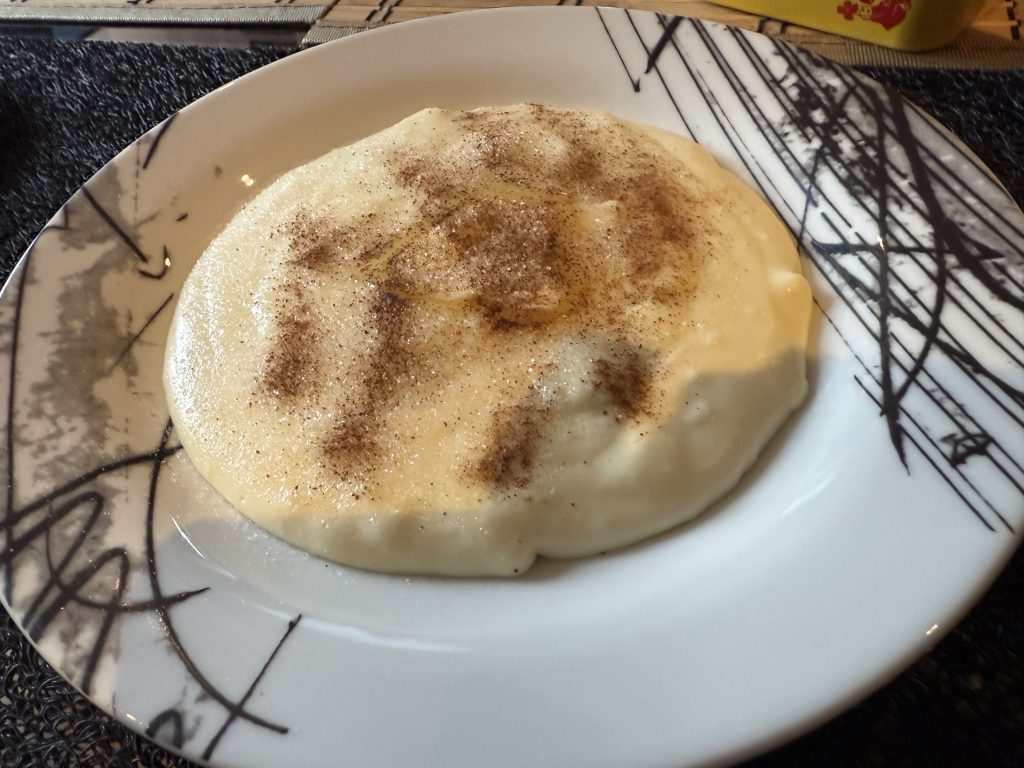
The name itself provides the best description: rømme translates to sour cream, and grøt means porridge. Rømmegrøt is essentially a sour cream porridge, though its flavor is far more complex than the simple translation suggests.
The core ingredients are sour cream (traditionally a high-fat variety like seterrømme), milk, wheat flour, and a pinch of salt. The key to its richness lies in the preparation: the sour cream is heated until the butterfat separates and rises to the top. This golden, clarified butter is skimmed off and later used as a crucial, luscious topping. The remaining cream and flour mixture is then thinned with milk, simmered into a smooth, thick porridge, and seasoned.
The result is an incredibly filling, creamy dish with a delightful, subtle tang from the sour cream.
A Dish for Special Occasions
Historically, Rømmegrøt was an expensive, high-calorie delicacy, making it reserved for times of true celebration, symbolizing abundance and good fortune.
How to Serve This Rich Delicacy
The presentation of Rømmegrøt is as iconic as the dish itself. It is served hot and usually topped in a distinctly Norwegian fashion:
Whether you enjoy it as a comforting, traditional main course or as a rich dessert, Rømmegrøt is a flavorful journey into the heart of Norwegian heritage—and a perfect way to kick off the festive season.
When you come to visit Norway hope you can come and visit us and let’s Enjoy rømmegrøt too. See you.
Wondering why Norway is a clean and green country? Click here.
The memory of our Barangay winning the “Cleanest and Greenest” award is a powerful reminder of what a community can achieve when it works together. The pride, the collective respect for nature—that spirit didn’t just vanish; it simply needs to be reignited. In the face of increasing environmental challenges, from plastic pollution to climate change, bringing back that collective ownership of our nature is more critical than ever.
So, how can we encourage every kababayan (countryman) to see that protecting our environment is not a chore, but an investment in their own home and future? The key lies in shifting the perspective from obligation to personal benefit, pride, and tangible action.
When the impact of a clean environment is immediately felt, the motivation to protect it increases.
That feeling of winning 3rd place was a strong social motivator—let’s bring it back!
Overwhelming goals lead to inaction. Focus on small, achievable steps that build momentum.
Reigniting the Clean and Green spirit is about restoring the forgotten bond between the community and its natural surroundings. It’s about reminding everyone that our environment is not a separate entity; it is our shared home. By making the benefits tangible, fostering pride, and advocating for simple, consistent action, we can once again see the beautiful, clean, and green community you remember from your youth.