
Rømmegrøt: Norway’s Creamy, Comforting Culinary Classic
Few dishes encapsulate the soul of Norwegian culinary tradition quite like Rømmegrøt (pronounced approximately rø-mmeh-grøt). More than just a porridge, this rich, velvety dish is a cultural emblem, traditionally reserved for the most festive and significant occasions, and a taste of history in a bowl.
If you are craving it before Christmas, you are in good company—it is a cherished part of the holiday season, embodying warmth and celebration.
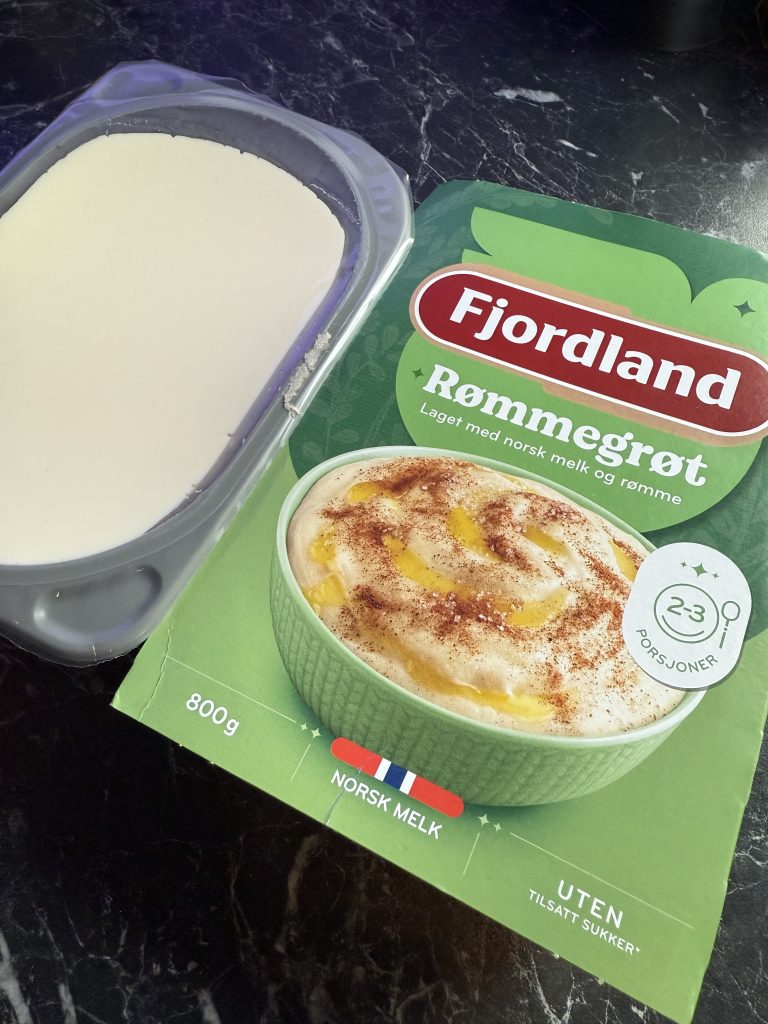
What is Rømmegrøt?
The name itself provides the best description: rømme translates to sour cream, and grøt means porridge. Rømmegrøt is essentially a sour cream porridge, though its flavor is far more complex than the simple translation suggests.
The core ingredients are sour cream (traditionally a high-fat variety like seterrømme), milk, wheat flour, and a pinch of salt. The key to its richness lies in the preparation: the sour cream is heated until the butterfat separates and rises to the top. This golden, clarified butter is skimmed off and later used as a crucial, luscious topping. The remaining cream and flour mixture is then thinned with milk, simmered into a smooth, thick porridge, and seasoned.
The result is an incredibly filling, creamy dish with a delightful, subtle tang from the sour cream.
A Dish for Special Occasions
Historically, Rømmegrøt was an expensive, high-calorie delicacy, making it reserved for times of true celebration, symbolizing abundance and good fortune.
- Christmas (Jul): Along with risengrynsgrøt (rice porridge), Rømmegrøt is a Christmas staple, often appearing on the dinner table around the holidays. It’s so important that a bowl is often left out on Christmas Eve for the Nisse(the benevolent house gnome or elf) to ensure good luck for the farm in the coming year!
- Births and Baptisms: It was traditionally given to new mothers to help build their strength and milk supply, making it a food associated with nurturing and new life.
- Weddings and Midsummer (Sankthans): The porridge was also a centerpiece at weddings, harvest festivals, and Midsummer celebrations, acting as a binding force for community gatherings.
- Mountain Lodges: Today, you can often find it served at mountain lodges (fjellstuer) and summer mountain farms (seter)—a perfect, energy-rich treat after a long hike.
How to Serve This Rich Delicacy
The presentation of Rømmegrøt is as iconic as the dish itself. It is served hot and usually topped in a distinctly Norwegian fashion:
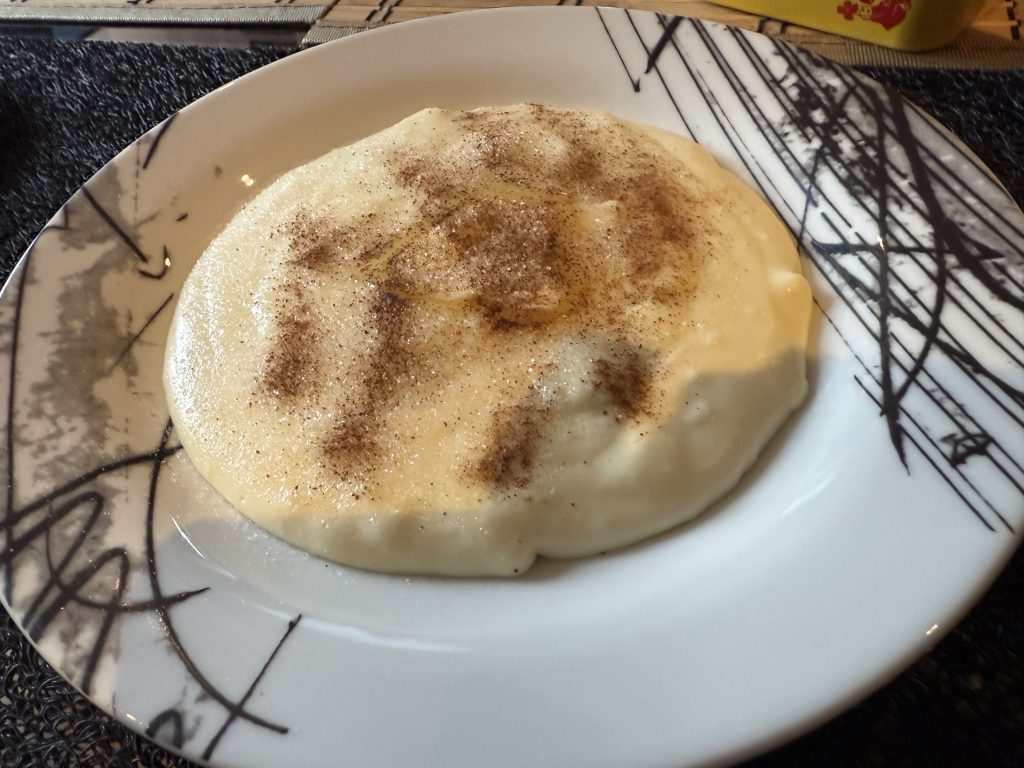
- A Well of Butter: The bowl is traditionally crowned with a “well” or “eye” of the reserved, golden, melted butterfat, often called smørøye (butter eye).
- Sweet Dusting: A generous sprinkling of sugar and ground cinnamon adds warmth and sweetness, creating a beautiful contrast with the porridge’s slight sour cream tang.
- Sweet & Savory Balance: While the sweet toppings are common, Rømmegrøt is traditionally served alongside savory accompaniments, such as cured meats (spekemat), including dried ham or smoked sausage, and flatbread (flatbrød). The balance of rich, sweet porridge and salty, cured meat is a quintessential Norwegian experience.
Whether you enjoy it as a comforting, traditional main course or as a rich dessert, Rømmegrøt is a flavorful journey into the heart of Norwegian heritage—and a perfect way to kick off the festive season.
When you come to visit Norway hope you can come and visit us and let’s Enjoy rømmegrøt too. See you.
Partner with us and earn recurring commissions—join the affiliate program!
Hello,
Can You please tell me more?