
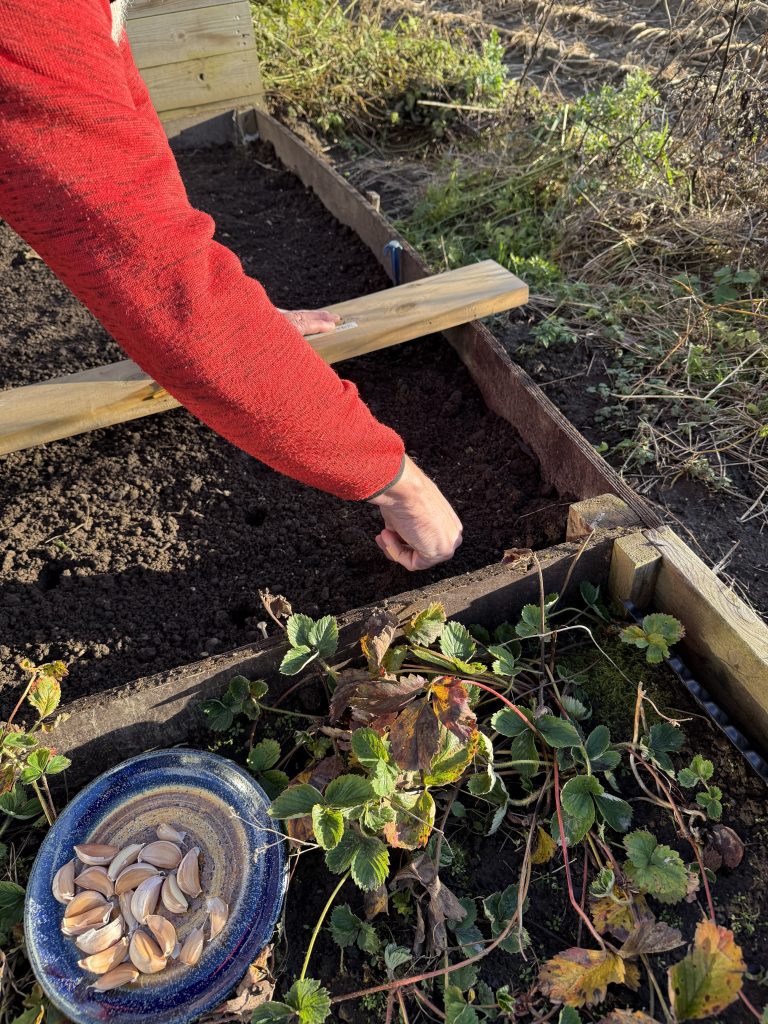
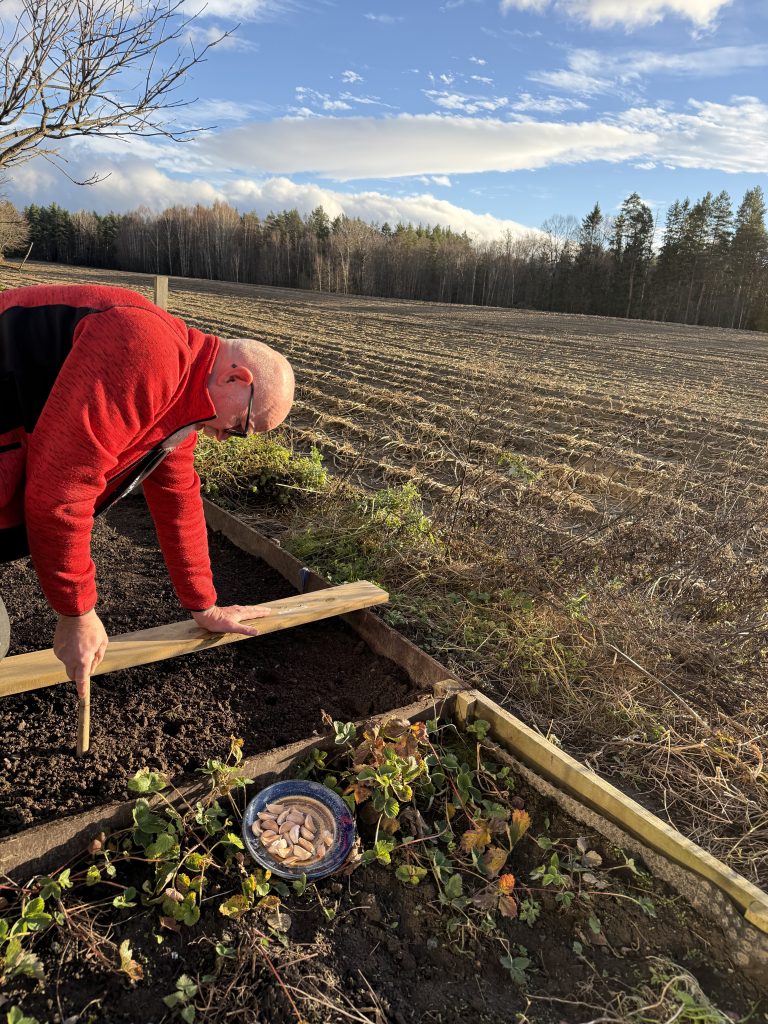
The pictures above looks/ sounds like a wonderfully efficient gardening system I have! Getting my loving husband to handle the planting is certainly the easiest method.
Continue reading “Planting Garlic and Onion”The pictures above looks/ sounds like a wonderfully efficient gardening system I have! Getting my loving husband to handle the planting is certainly the easiest method.
Continue reading “Planting Garlic and Onion”Rømmegrøt: Norway’s Creamy, Comforting Culinary Classic
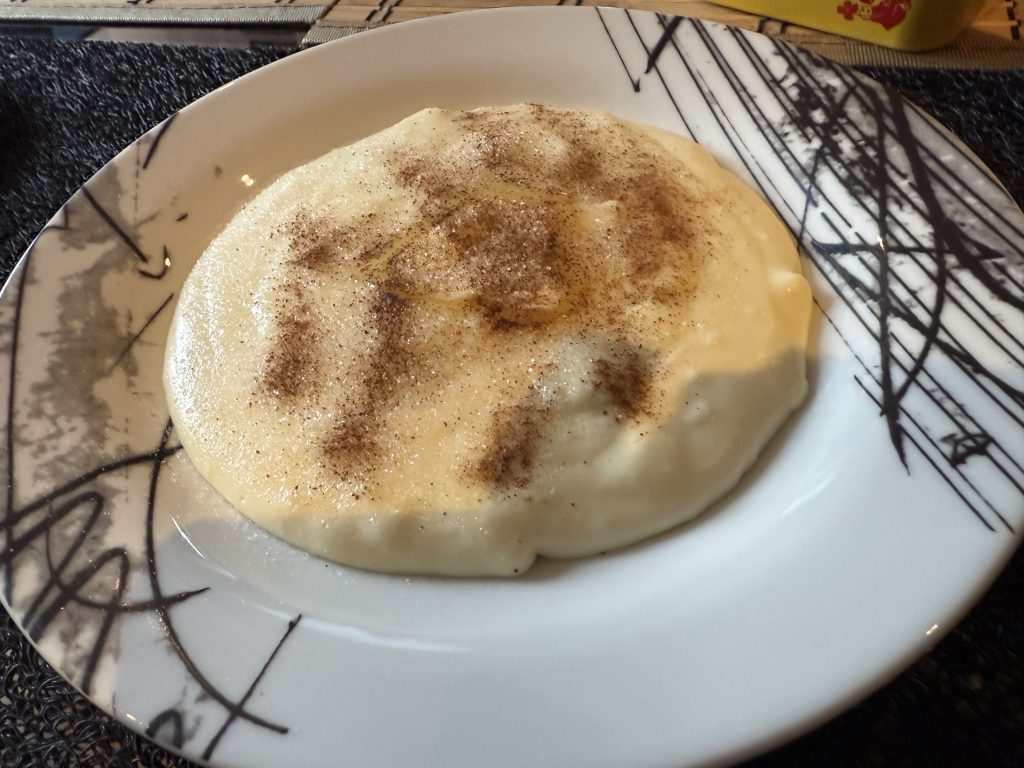
Few dishes encapsulate the soul of Norwegian culinary tradition quite like Rømmegrøt (pronounced approximately rø-mmeh-grøt). More than just a porridge, this rich, velvety dish is a cultural emblem, traditionally reserved for the most festive and significant occasions, and a taste of history in a bowl.
If you are craving it before Christmas, you are in good company—it is a cherished part of the holiday season, embodying warmth and celebration.
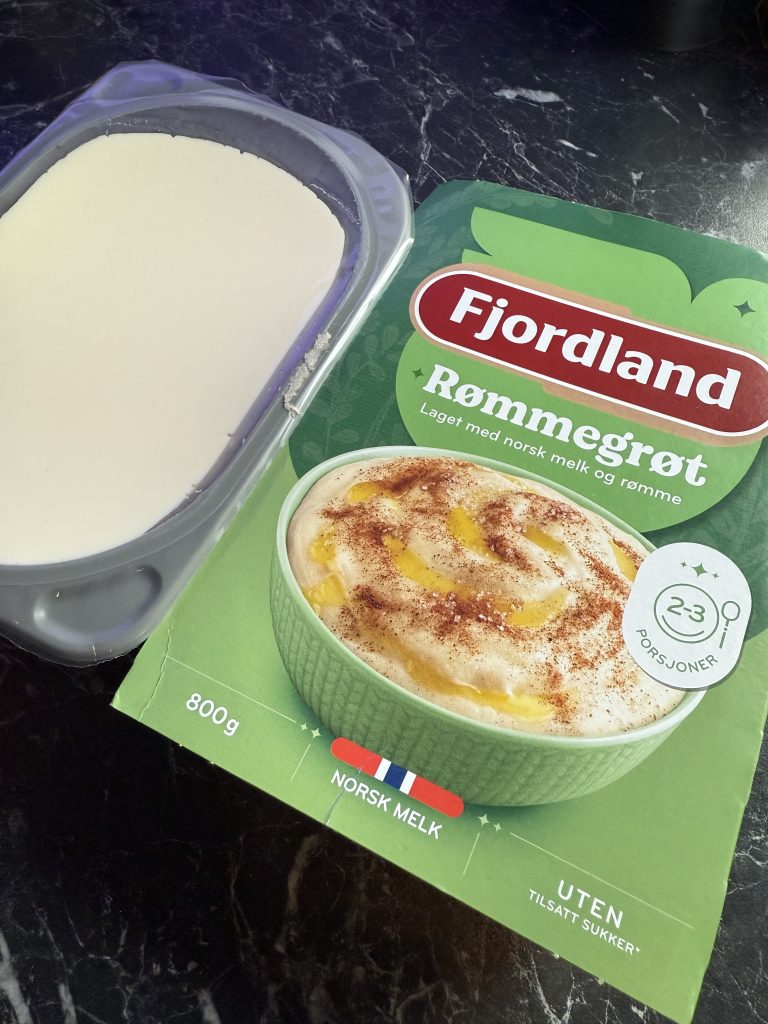
What is Rømmegrøt?
The name itself provides the best description: rømme translates to sour cream, and grøt means porridge. Rømmegrøt is essentially a sour cream porridge, though its flavor is far more complex than the simple translation suggests.
The core ingredients are sour cream (traditionally a high-fat variety like seterrømme), milk, wheat flour, and a pinch of salt. The key to its richness lies in the preparation: the sour cream is heated until the butterfat separates and rises to the top. This golden, clarified butter is skimmed off and later used as a crucial, luscious topping. The remaining cream and flour mixture is then thinned with milk, simmered into a smooth, thick porridge, and seasoned.
The result is an incredibly filling, creamy dish with a delightful, subtle tang from the sour cream.
A Dish for Special Occasions
Historically, Rømmegrøt was an expensive, high-calorie delicacy, making it reserved for times of true celebration, symbolizing abundance and good fortune.
How to Serve This Rich Delicacy
The presentation of Rømmegrøt is as iconic as the dish itself. It is served hot and usually topped in a distinctly Norwegian fashion:
Whether you enjoy it as a comforting, traditional main course or as a rich dessert, Rømmegrøt is a flavorful journey into the heart of Norwegian heritage—and a perfect way to kick off the festive season.
When you come to visit Norway hope you can come and visit us and let’s Enjoy rømmegrøt too. See you.
Wondering why Norway is a clean and green country? Click here.
The memory of our Barangay winning the “Cleanest and Greenest” award is a powerful reminder of what a community can achieve when it works together. The pride, the collective respect for nature—that spirit didn’t just vanish; it simply needs to be reignited. In the face of increasing environmental challenges, from plastic pollution to climate change, bringing back that collective ownership of our nature is more critical than ever.
So, how can we encourage every kababayan (countryman) to see that protecting our environment is not a chore, but an investment in their own home and future? The key lies in shifting the perspective from obligation to personal benefit, pride, and tangible action.
When the impact of a clean environment is immediately felt, the motivation to protect it increases.
That feeling of winning 3rd place was a strong social motivator—let’s bring it back!
Overwhelming goals lead to inaction. Focus on small, achievable steps that build momentum.
Reigniting the Clean and Green spirit is about restoring the forgotten bond between the community and its natural surroundings. It’s about reminding everyone that our environment is not a separate entity; it is our shared home. By making the benefits tangible, fostering pride, and advocating for simple, consistent action, we can once again see the beautiful, clean, and green community you remember from your youth.
🎄 A Quiet Light: Norwegian Grave Visiting Traditions
Norway, a country celebrated for its understated elegance and profound respect for nature, extends this ethos to its final resting places. As you’ve observed, Norwegian cemeteries are typically simple, clean, and meticulously organized. They are peaceful, dignified spaces that reflect a cultural inclination towards quiet remembrance rather than elaborate display.
Continue reading “Norway’s Cementery”Spreading Joy, Not Allergens: Your Guide to Nut-Free Spreads
It’s completely understandable to miss your favorite peanut butter when packing lunches for school or kindergarten. Peanut butter is a delicious, protein-packed spread! However, as you’ve noted, the rise in peanut and tree nut allergiesmeans many educational settings have implemented nut-free policiesto ensure the safety of all children.
The Importance of Nut-Free Schools
Food allergies, particularly to peanuts and tree nuts (like almonds, cashews, and walnuts), can trigger a severe, life-threatening allergic reaction called anaphylaxis. For a child with a severe allergy, even a tiny trace of the allergen in the air or on a surface can be dangerous. Nut-free policies are a necessary precaution to protect these vulnerable students, giving peace of mind to parents and allowing children with allergies to learn and play without constant fear. It’s a small change we can make for the safety and inclusion of the whole community.
Delicious Substitutes: Nut-Free Spreads
Fortunately, you don’t have to abandon the joy of a good spread! The market has responded with many fantastic, school-safe, nut-free alternatives that offer a similar taste, texture, and nutritional profile to peanut butter.
Here are some of the most popular and kid-approved options:
When choosing a spread, always read the label carefully to verify that it is not only nut-free but also produced in a dedicated nut-free facility to avoid cross-contamination.
Making the switch means your child can enjoy a great-tasting, healthy sandwich while helping to create a safe and inclusive lunch environment for all their friends!
The Sweet Fortune of Backyard Grapes
In a world that often rushes by, there’s a quiet, profound joy in the simple things. For many of us, that joy is literally growing in our own backyards: grapes. It’s a luxury we often take for granted, but having these versatile, beautiful vines at home is a true stroke of luck.
Continue reading “Norway’s Grape Picking Day”🌟 Hønefoss: Where Nature’s Power Meets History and Art 🇳🇴
Nestled in the heart of the beautiful Ringerike region, just an hour north of Oslo, lies the charming town of Hønefoss. This destination is a hidden gem for tourists, offering a perfect blend of dramatic natural scenery, deep historical roots, and world-class modern art. It’s time to discover your next Norwegian adventure!
The very name of the town, “Hønefoss,” comes from its defining feature: the majestic Hønefossen waterfall. This powerful cascade tumbles dramatically through the center of town, a breathtaking sight that was the birthplace of Hønefoss’s industrial history.
Hønefoss and its immediate surroundings are a surprising hub for art and history, making it a must-visit for culture enthusiasts.
The town itself is a welcoming place with a mix of historical buildings and modern amenities.
The surrounding Ringerike municipality is a playground for outdoor activities, easily accessible from Hønefoss.
Hønefoss is more than just a stop—it’s a destination where you can gaze at a powerful waterfall in the morning, explore Viking history by afternoon, and walk through world-class contemporary art by evening.
Plan your visit today and uncover the vibrant heart and breathtaking surroundings of Hønefoss, Norway!
That sounds like a wonderful way to marks UN Day! It’s a great opportunity for the children to learn about different cultures and feel proud of their heritage.
Here are a few ideas for a song that’s known and loved by children around the world:
* “It’s a Small World”: This classic Disney song is probably one of the most famous and recognizable songs about global unity. The simple lyrics and melody are easy for young children to learn.
* “Twinkle, Twinkle, Little Star”: This is a nursery rhyme that is known in many different languages and cultures. You could play versions of the song in some of the languages spoken by the children’s families.
* “Head, Shoulders, Knees, and Toes”: This is another song that is widely known and has been translated into many languages. It’s also a fun, active song that the kids can enjoy doing the actions to.
Having plants indoors, especially fruiting ones like tomatoes, offers so many benefits:
Simple No-Bake Oreo Icebox Cake
This recipe is also known as an Oreo Dream, or Oreo Delight.
Yields: 12-15 servings Prep Time: 15 minutes Chill Time: 6 hours (or preferably overnight)
Continue reading “Oreo Cake”