
🥔🥕 Insulation is the Key: Storing Carrots and Potatoes the Earth Cellar Way
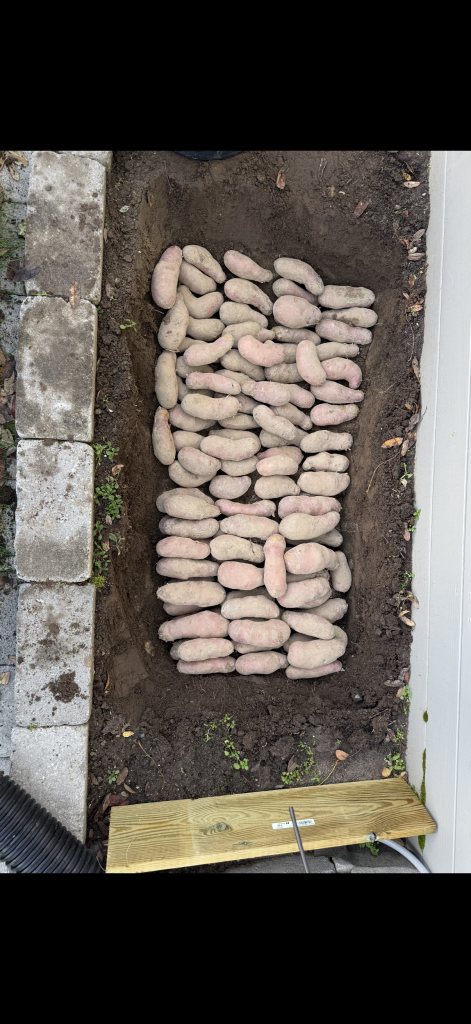
You’ve had a fantastic harvest of potatoes and carrots—now the big question is how to keep them fresh all winter long without a pricey indoor root cellar. We found the perfect, old-fashioned solution: pit storage, or building an in-ground root clamp right in the garden. It’s simple, free, and uses zero energy!
The Wisdom of the Earth
The ground itself is the best natural refrigerator. This simple pit storage method works because it creates three perfect storage conditions:
- Cool, Not Cold: The earth acts as an insulator, keeping the temperature stable at around 0°C to 4°C—above freezing, but cool enough to stop the vegetables from rotting or sprouting.
- Perfectly Humid: The surrounding soil and materials hold just enough moisture to prevent your carrots and potatoes from shriveling and turning rubbery.
- Zero-Energy: You harness the earth’s natural climate, saving money and avoiding the need for a second refrigerator.
Your Step-by-Step Guide to Pit Storage
Here is how we turned a big harvest into a secure winter food supply:
1. Harvest and Prep
- Timing: We harvested the vegetables late in the fall, right before the first hard frost.
- No Washing! We did not wash the potatoes or carrots. We simply brushed off any large clumps of dirt. Washing can introduce moisture that causes rot.
- Trimming: We cut the carrot tops off completely, leaving just a small stem stub. This stops the greens from trying to regrow and sucking moisture out of the root.
- Cure Potatoes: We let the potatoes sit in a cool, dark, dry place for about a week. This “curing” toughens their skin, which is essential for long-term storage.
2. Building the Pit
- Digging the Hole: We chose a high, well-draining spot (so it wouldn’t flood) and dug a hole deep enough so the vegetables would sit below the frost line in our area.
- Lining: We lined the bottom of the hole with a thick layer of dry straw or hay for drainage and insulation.
- Layering: We placed the potatoes and carrots in the pit, making sure the vegetables were not touching each other. We layered them with dry straw in between to separate them. This prevents one rotten vegetable from spoiling the entire batch.
3. Insulation and Sealing
- Cover: We placed a wooden board across the top of the hole to act as a lid and a barrier against pests.
- The Insulation Layer: We covered the wooden lid with a massive mound of straw, hay, and soil. The thicker this layer is, the better it protects against the cold. This is the most crucial stepfor insulation.
- Final Seal: We covered the entire mound with a plastic sheet to keep the snow and winter rain out, ensuring everything stayed perfectly dry and insulated inside.
The Winter Reward
The joy of digging into that mound on a snowy day is unmatched. You will be pulling out crisp, firm carrots and fresh, healthy potatoes that taste exactly as they did on the day they were harvested.
If you have a shovel and a little ambition, you can easily turn your garden into a year-round larder.
https://shorturl.fm/yKSsk